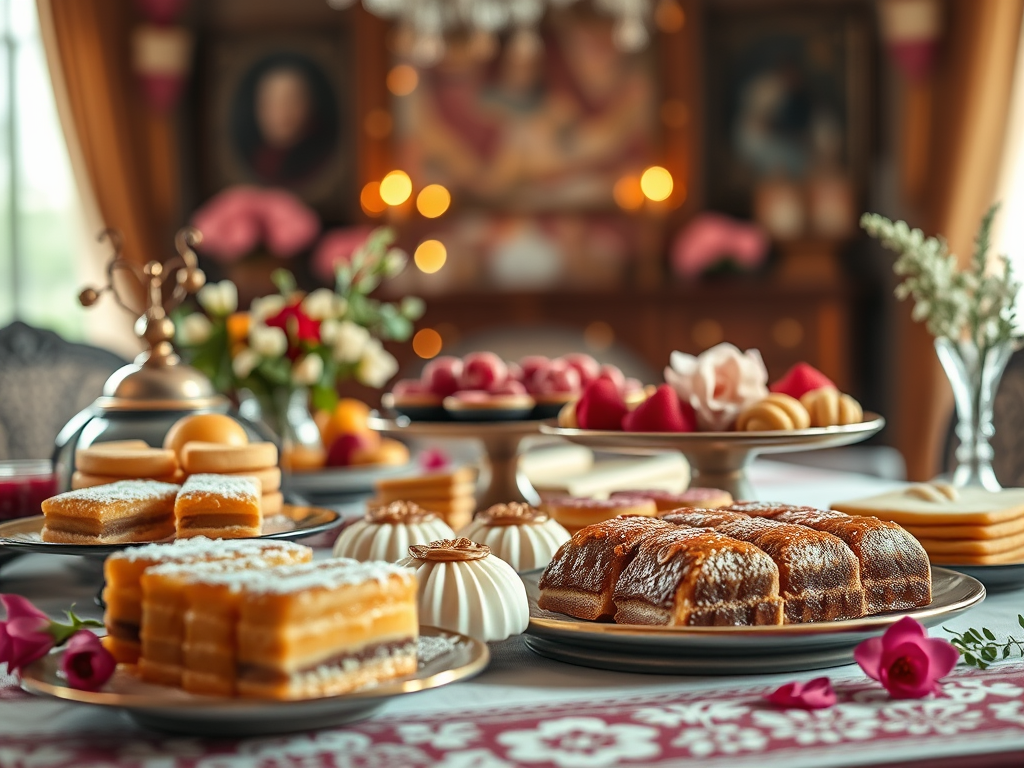
The word „kandil“ in Turkish refers to a lamp or a candle used for religious and festive purposes. It holds a significant place in Turkish culture, especially in the context of Islamic celebrations and traditions. The origin of the word „kandil“ can be traced back to the Arabic word „qandil“ qindīl „chandelier, candelabra“.
„Kandil yakmak.“ „To light a candle.“
„Yakılan kandil başkasına da ışık tutar.““The lit candle also shines for others.“
„Kandil gecesi.“ „Night of candles.“
„Ceviz kabuğunu doldurmak gibi kandili sonu gelmez bir işleme dökmek.““To turn a simple candle into an endless task, like filling a walnut shell.“
„Vaazdan kandil çıkmak.“ „To come out of a sermon like a candle.“
„Bir mum diğer mumu tutuşturmakla ışığından bir şey kaybetmez.“ „One candle loses nothing by lighting another.“
„Kandil şeker başı.“ „Candle candy head.“
In Turkish, „kandil“ is commonly used to describe the special nights or occasions in the Islamic calendar when Muslims commemorate important events or observe religious practices. These nights are considered sacred and are marked by the lighting of special lamps or candles.
There are five Kandil nights:
evlid Kandili (Mawlid an-Nabi) – The birth of the Prophet Muhammad;
Regaip Kandili (Laylat al-Raghaib) – The night of Muhammad’s conception;
iraç Kandili (Lailat al Miraj) – The ascension of the prophet Muhammad into heaven;
Berat Kandili (Mid-Sha’ban) – Forgiveness of sins;
Kadir Gecesi (Laylat al-Qadr) – The first appearance of the Quran to the prophet Muhammad;
„Mevlid kandili“ is the celebration of the birth of the Islamic prophet Muhammad. On this occasion, Muslims gather in mosques and homes, where they recite religious texts, offer prayers, and light candles or special lamps.
part from „Mevlid kandili,“ there are several other „kandil“ nights celebrated throughout the Islamic calendar. These include „Regaib kandili,“ which marks the conception of the Prophet Muhammad, „Miraç kandili,“ which commemorates his ascension to the heavens, and „Berat kandili,“ which signifies the Night of Destiny or Forgiveness.